What are yours?
If any of the themes below resonate with you, I’d love to hear from you.
with love ✨, CATHERINE
Observations on moving, breathing and being. These are mine.
I’ve been writing them down since 2020.
I took a long pause. I’m back now.
On being late
This was supposed to reach you Monday.
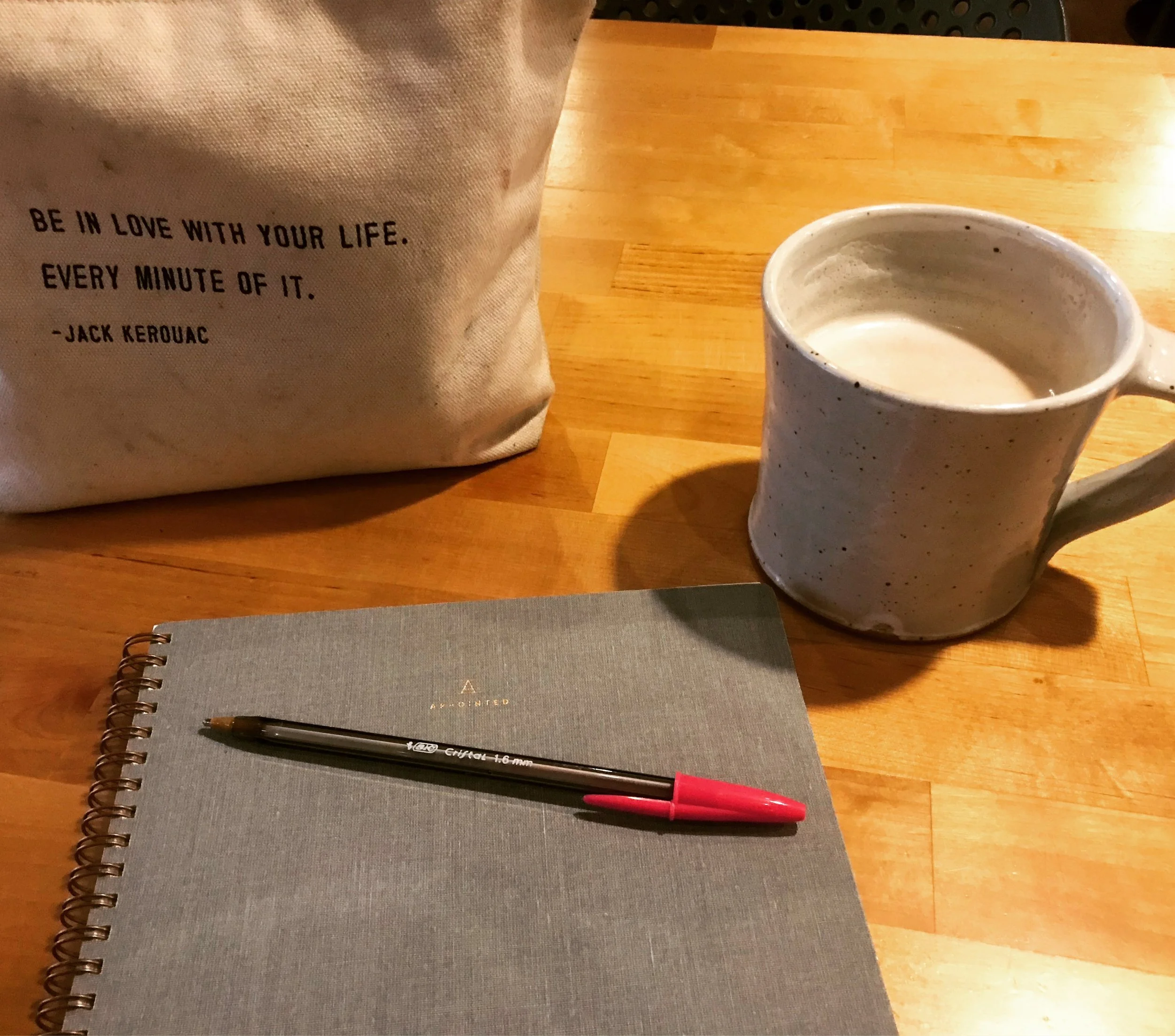
Most weeks it goes like this—I wake up, go for my morning walk, take care of my pets. Eventually, I make my coffee and sit down, two hours later, start-to-finish, hitting publish and send on this blog and newsletter. That's the rhythm. I didn't question it. Why would I? It's what I do. It's what works.
Until it doesn't.
On being seen
A dear friend was in town for business last week. We've known each other 25 years—a work relationship that turned into a real one somewhere along the way—and we manage to see each other in person about once a year. So dinner at The Wharf had the usual shape. Catch up on the basics, then start going somewhere deeper, the way good friends do.
Somewhere in there he said something I haven't been able to put down.
On the motherland
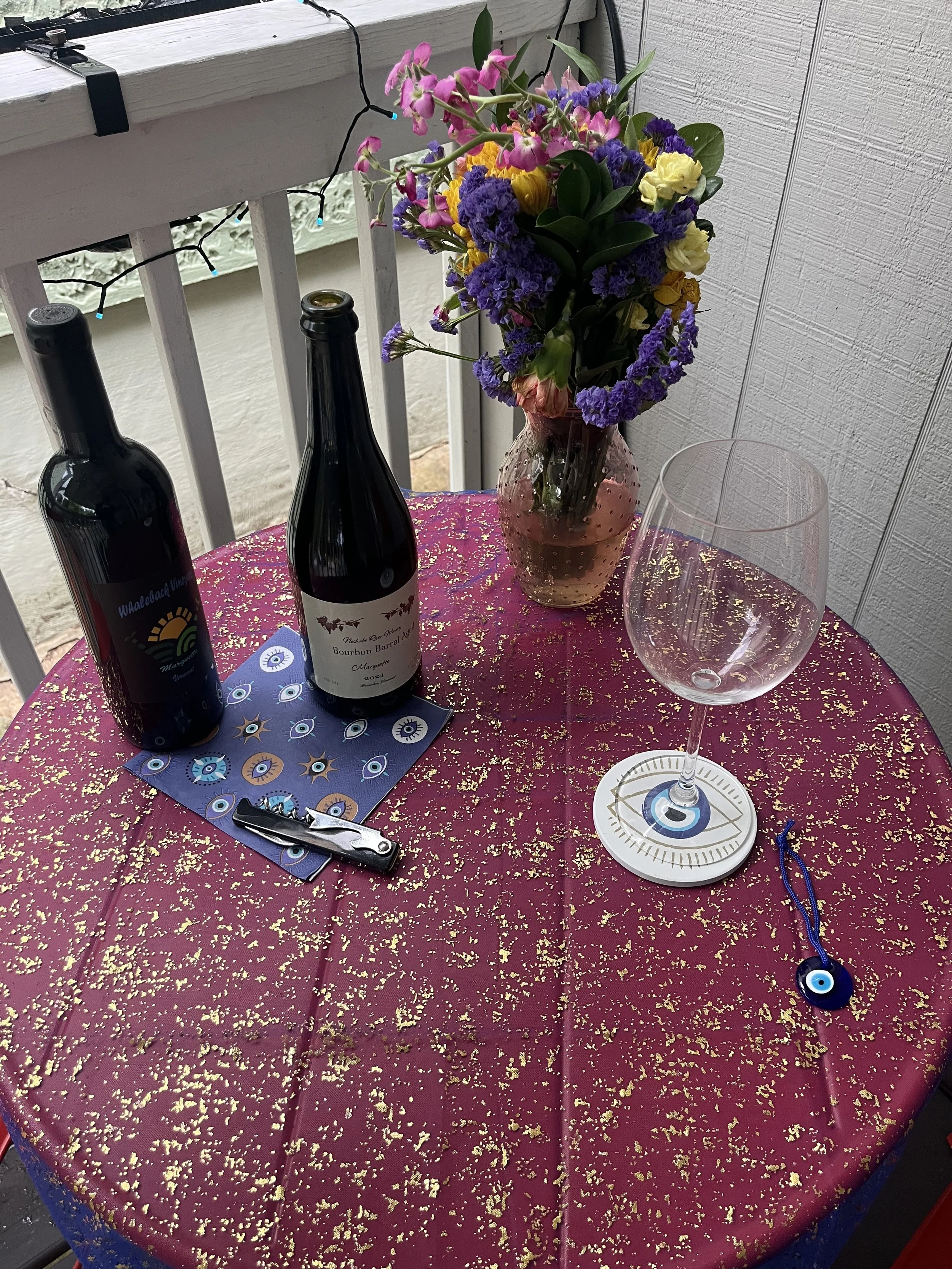
I was born in Turkey, yet was only there for three months before moving back to the US through JFK Airport and New York City.
Perhaps this is why both places feel like home—the latter, New York, where I lived twice for nearly eight years in all. The former, less explicably, given I have no memory of it, somewhere in my bones.

On reviving
I drove through the country roads with a smile on my face. I can't easily verbalize the why behind it. Suffice to say—a short 48 hours on a sheep farm in Vermont revived more within me than I thought it might—or than I believed it needed to.
Six of us were brought together by one—the leader of the group. We started as strangers and left as friends.
On trust
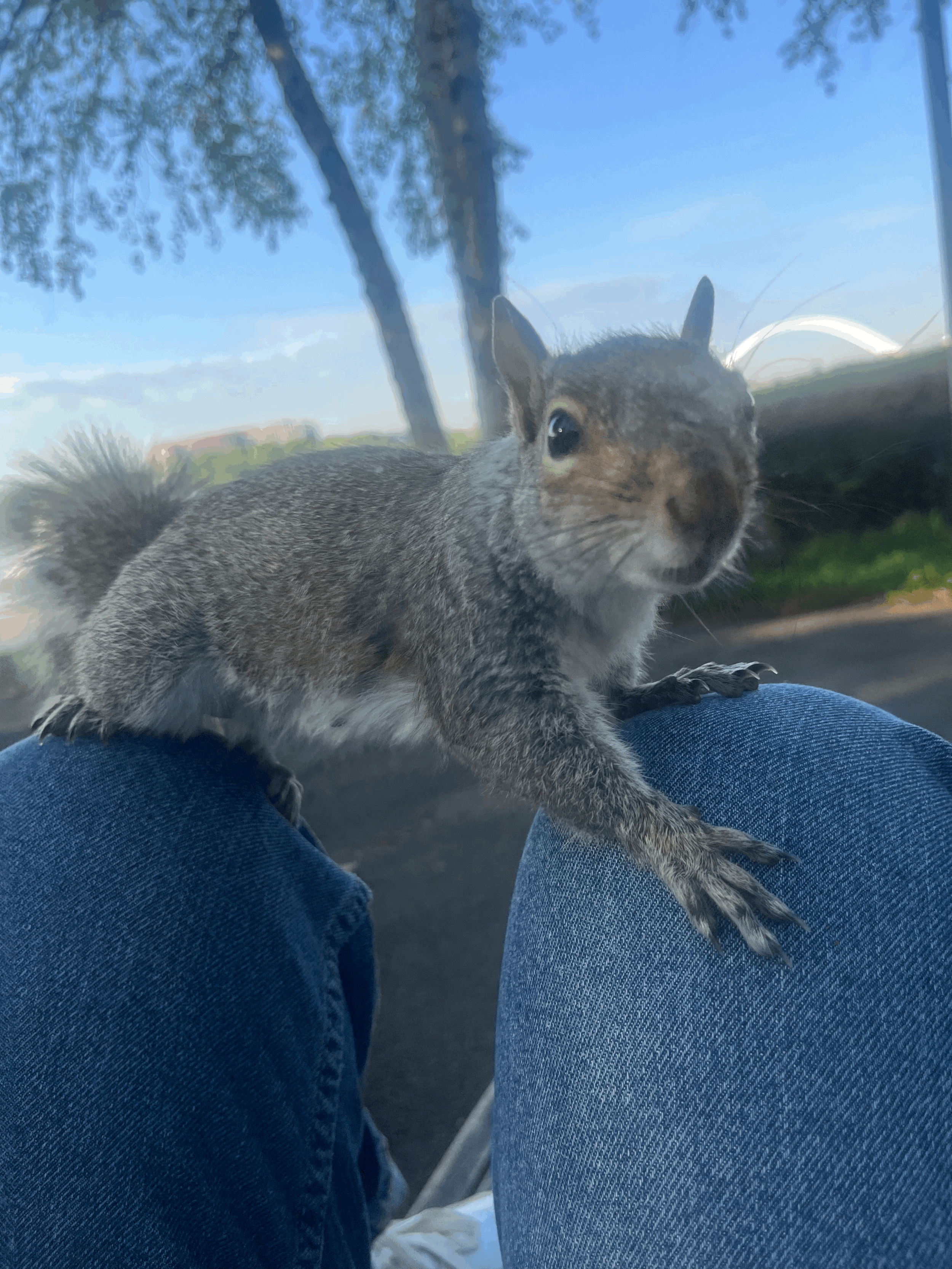
I met a new friend this week. She and I didn't exchange a word. Well, that's not true. I spoke to her, but she didn't respond verbally herself. Rather, she relied on her instincts—tuning into my tone, my posture, my movements, my energy—to communicate with and respond to me. It was a short-lived friendship. I'll likely never see her again. Yet it stayed with me. It left me ruminating on the notion of trust, of what it takes to trust in someone or something else, on what it takes to trust oneself.
How did my newfound friend know that she could trust me?
On the unremarkable
I sat down this morning to write. (Yes, currently I write day-of. Perhaps that will change. For now…)
My mind was blank. Nothing stood out. No big insight, no big breakthrough, seemingly no big anything.
I thought to myself, “I have nothing to share”.
On self-love affirmations
If we pause to tune inwards to our inner monologue, as happens when we sit on our cushion to meditate, we might begin to become aware of a lot of non-affirming self-talk and other negative chatter that appears to be on a seemingly continuous loop in our mind.
Try it. Sit or stand up straight. Close your eyes if comfortable. Take a few conscious breaths—become aware of your inhale and exhale.
Now become aware of your mind and its endless thoughts. What is it saying right now? Is it using positive or negative language? Is it using affirming or defeating language?
Spend a few more moments here. Okay. Now open your eyes.
How was that?
On knowing oneself
How many of you did the journaling exercise offered last week? It’s fair if you didn’t. It helped us begin to contemplate self-love and what it means, why it’s important and how it’s a challenge for most (if not all) of us.
In case you’re wondering, the questions and prompt are hard! It’s not a surprise if you haven’t done it…yet. It can be challenging to tune inwards and to see, hear and support ourselves.
So let’s practice. Let’s change the context.
Imagine now that you’re sitting with your son, or your niece, or your godchild, and you’re doing this exercise with this young, innocent soul. Would your tone be different? Would you speak more slowly and kindly? Would you offer more space, more pause? Would you accept the answers without preference? Would you allow the feelings without judgement? Would you hold this little person and their experiences with greater acceptance and compassion?
I’m going to guess yes, as I know I sure did when I imagined one of my nieces and nephews and practiced.
How might we start to extend that same acceptance and compassion to ourselves?
We can start by getting curious and learning about ourselves more…